Premium Ugandan Speciality Coffee
Kalenjin Coffee: grown with cafe, roasted fresh, delivered to your cup.
Coffee grown where the Mountain Makes Its Own Weather
Hand-Picked, washed, dried and hand-roasted in small quantities by local farmers living on the slopes of Mount Elgon.
1900-2300m
Altitude above sea level
100%
Washed and Organic Arabica Coffee
300+
Small holder Families
About Us
The Kalenjin family has farmed on this stretch of Mount Elgon in Eastern Uganda for three generations. Every bag is roasted by hand in Kapchorwa, in batches small enough that one person can taste each one. We started selling under our own name so the people who grow it could also be the ones who sell it and so the forest and the volcanic fertile lands it grows under stays standing.
A Journey that Carried More than People.
Our ancestors moved south from the South Sudan–Ethiopia borderlands close to three thousand years ago, following the Nile system into the East African highlands. Mount Elgon — Kapkugo, meaning “the grandfather’s home” is remembered as the place these migrating clans regrouped, before scattering outward over the centuries that followed.
As our elders tell it, that journey carried more than people. Ethiopia’s highlands are where coffee itself is said to have been discovered, and our family’s telling holds that the wild coffee cherry travelled with our ancestors as they moved, eaten along the way long before anyone thought to roast or brew it. It’s oral history, not a written record, but it’s the story that explains why Arabica, native to those same highlands, is what grows on this mountain today.
From Kapkugo, the clans dispersed, the Sabiny and Pokot into what’s now Uganda, the Nandi, Kipsigis, Tugen, Keiyo and Marakwet staying in Kenya’s Rift Valley. To this day we still call each other Kapkugoo, because the elders remember we share one grandfather.
From cherry to Cup on the Mountain
Hand-picked
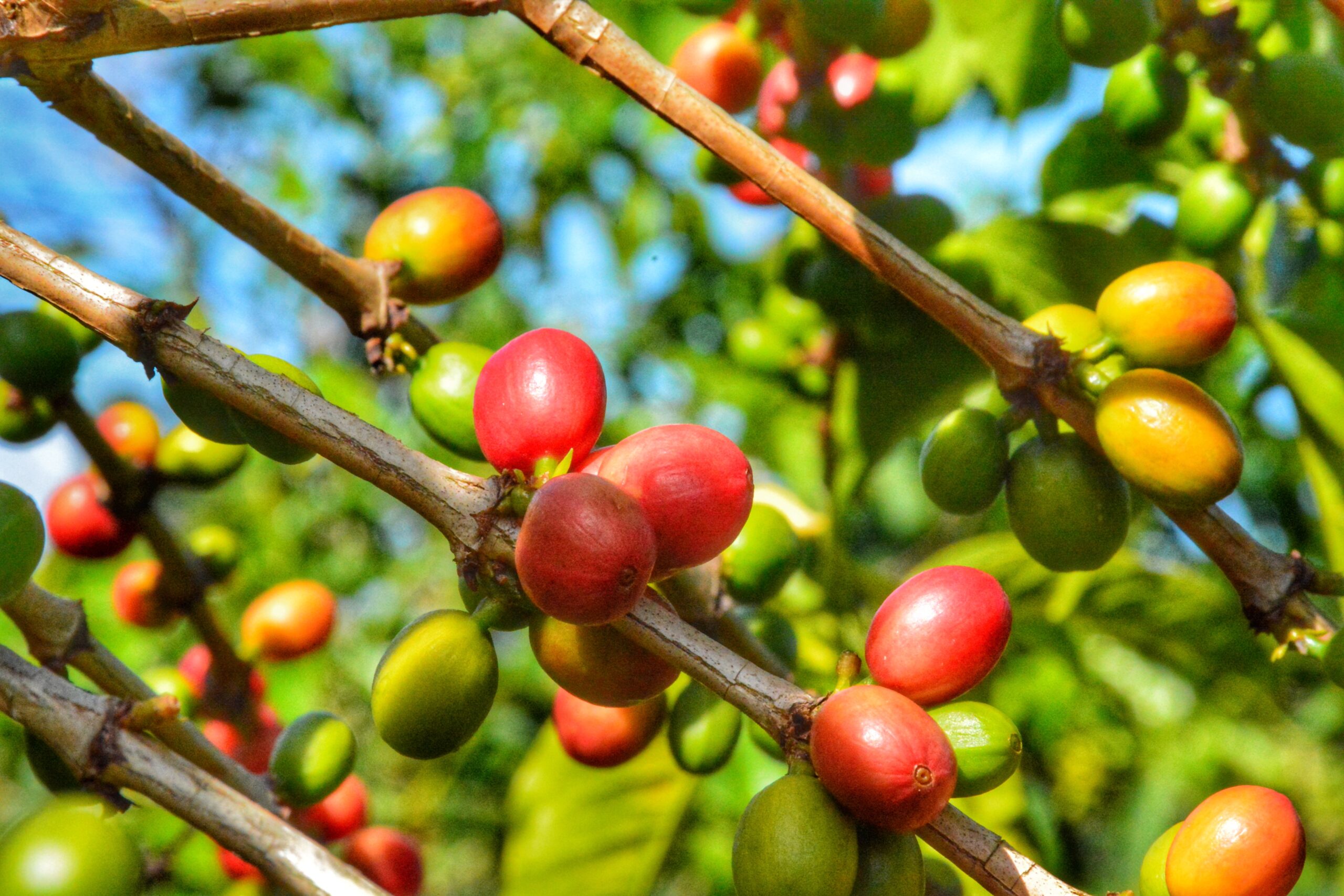
Only ripe red cherries, picked in passes over several weeks.
Fermented and Washed
Pulped within hours, fermented in mountain temperatures and water. Washed clean in channels fed by streams off the Elgon caldera.
Sun-dried
Dried two to three weeks on raised beds, turned by hand.
Hand-roasted to order
Small batches, roasted by hand, never before your order.
The Coffee
Three ways to drink Mount Elgon. All washed, all single origin, all hand-roasted in Kapchorwa.
Sipi Peak — Light roast
Bright and floral, notes of bergamot and brown sugar.
Kapchorwa Reserve — Medium roast
Balanced body, dark cherry and roasted hazelnut.
Three Falls Blend — Dark roast
Deep and smoky, molasses finish. Built for milk.
Influence of Sipi Falls in Coffee Seasons Near Mount Elgon
The Sipi River drops over three waterfalls on its way down Mount Elgon, cooling the air and holding cloud cover over the coffee gardens through the hottest part of the day. That shade, combined with the altitude, is why cherries here ripen slowly enough to build the sugars that show up as sweetness in the cup.
Farm Tours
Sipi Falls Coffee Tour & Cooking with the Locals
If you’re already at Sipi Falls for the hikes and the waterfall abseil, come the extra half-hour up the road and walk the gardens the coffee actually comes from then taste it where it was grown.
Sipi Falls Coffee Tour
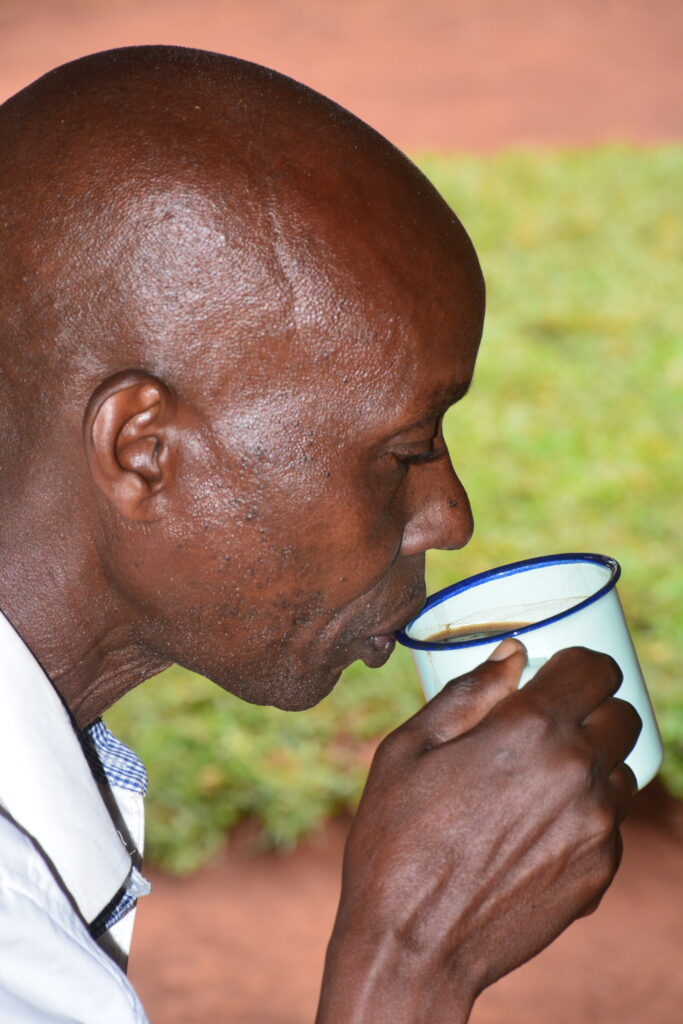
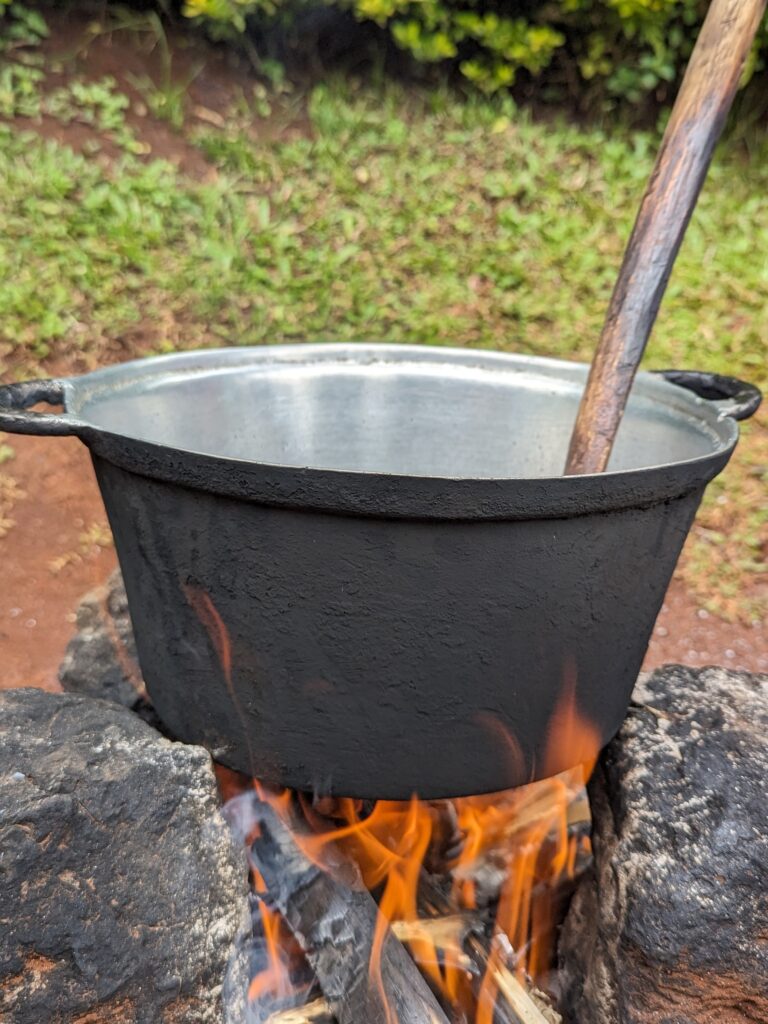
Walk the gardens the coffee actually comes from. Guided through shade-grown coffee on the slopes of Mount Elgon, with a cherry-picking demonstration in season and a hand-roasting experience over smoky woods and later brew own coffee ready for drinking.
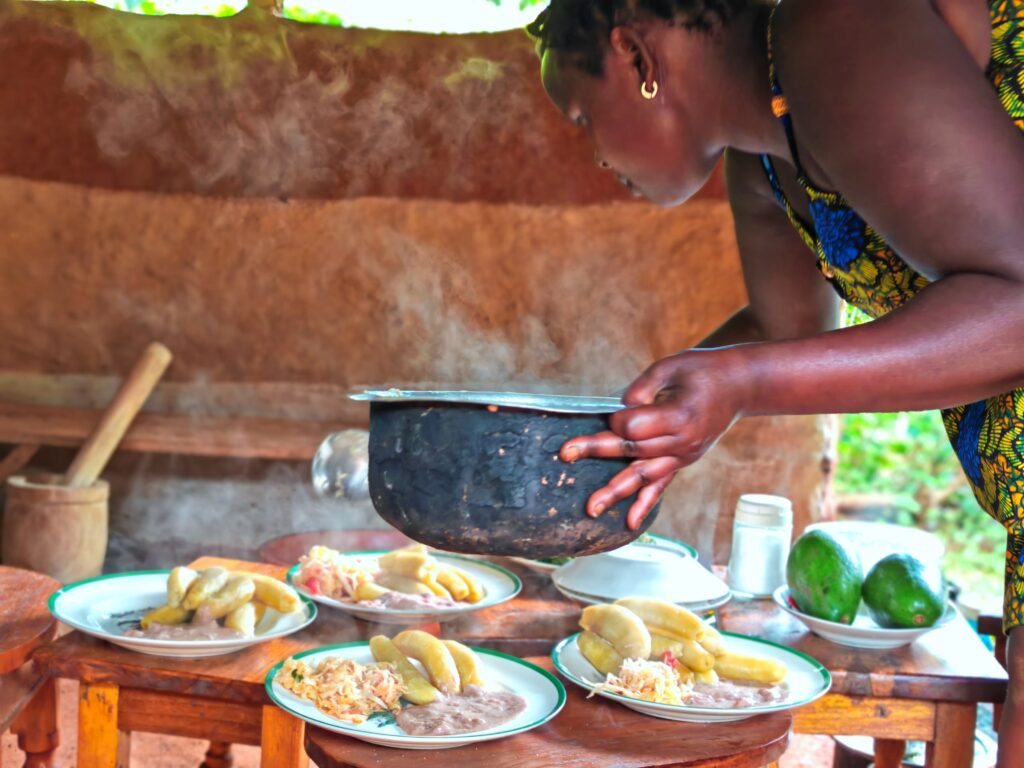
Coffee Tour & Cooking with the Locals in Sipi Falls — Full Day, 5-6 Hours
Our full-day Sipi Falls coffee tour combines a guided coffee farm walk on around Sipi with an authentic cooking experience and coffee tour with the locals from the community living near the hiking trails.
Coffee only grows if the mountain does
Mount Elgon’s forest holds the soil, feeds the springs that wash our coffee, and keeps the cloud cover that shades it. We grow under a canopy of indigenous trees instead of clearing for full sun, plant native seedlings along the forest boundary each season, and train farmers in terracing that keeps volcanic topsoil from washing into the Sipi River after heavy rain.
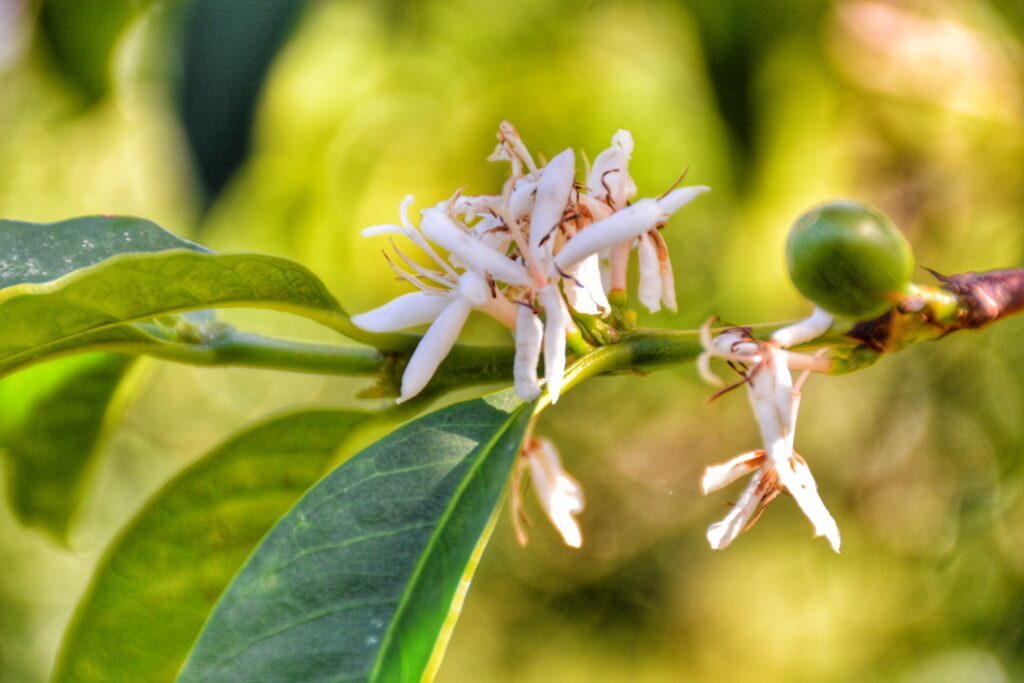
A share of every bag sold goes back into this work nursery stock, terracing tools, and a standing offer to any farmer who wants to convert to shade-grown rather than clear more land
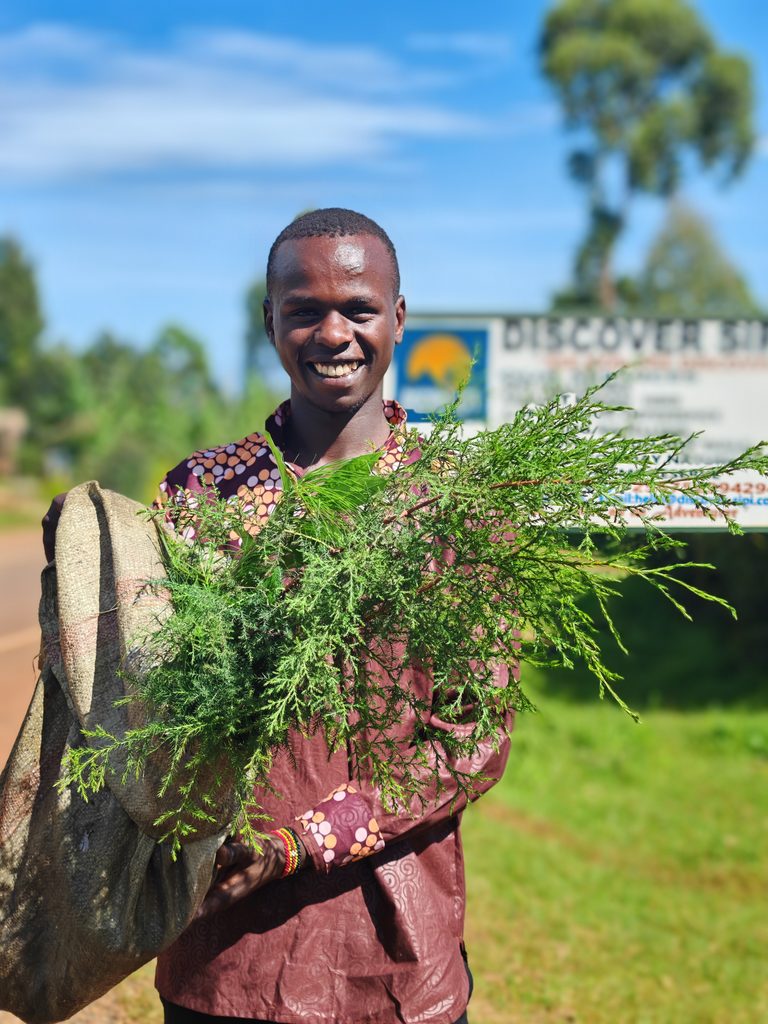
Partner With Us, Or sponsor Our Conservation Projects
We work along aide conservation groups, Eco-tourism operators and small coffee farmer groups and agricultural Non- governmental Organizations.